Navigating WordPress Accessibility Updates
Imagine a customer trying to book a medical appointment in Pasadena using a screen reader, only to find that a recent software change has made the calendar unreadable. This scenario is exactly why understanding recent WordPress accessibility updates is vital for local businesses. As platform versions evolve, the underlying code changes can either open doors for assistive technologies or inadvertently build digital walls. Business owners must look beyond surface-level aesthetics and prioritize the structural integrity of their websites. Ensuring that every visitor can seamlessly navigate a site is a matter of fundamental customer trust and long-term business growth.
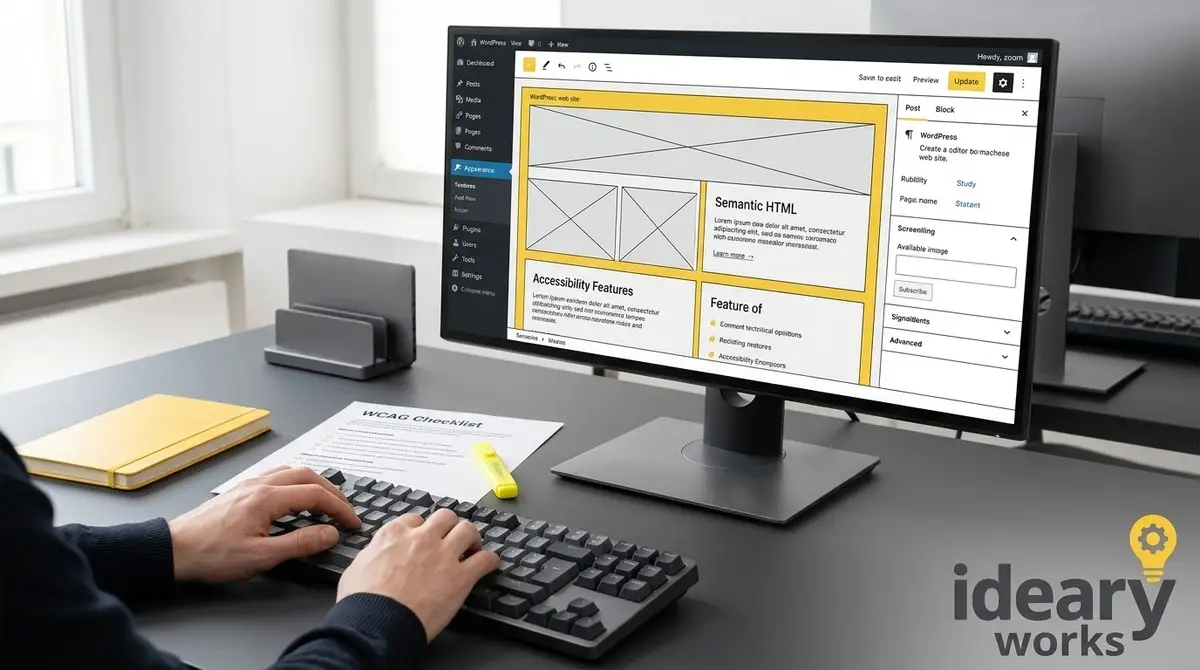
When WordPress releases major core updates, these changes often include crucial improvements for keyboard navigation and semantic HTML structures. However, these foundational enhancements are only effective if your active themes and plugins are built to support them. Relying on outdated software creates friction for individuals who rely on alternative navigation methods to browse menus, read content, or fill out contact forms. A methodical approach to evaluating these technical shifts ensures your digital presence remains inclusive and functional for everyone in Southern California and beyond. We translate these complex requirements into actionable steps that protect your business and empower your users.
How WordPress Accessibility Updates Impact Users
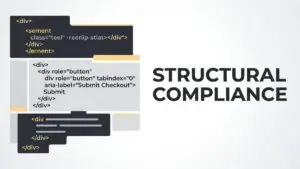
At the heart of every code release is a real human experience that dictates how someone interacts with your online services. Recent WordPress accessibility updates have focused heavily on standardizing how forms, buttons, and navigation menus announce themselves to screen reading software. When a developer properly labels a submit button or structures a dropdown menu, a visually impaired user can confidently purchase a product or request a service consultation. Conversely, ignoring these core enhancements often leads to silent errors that trap users in endless loops or leave them guessing what information they are expected to provide.
These usability improvements directly align with WCAG 2.2 AA standards, providing a clear roadmap for creating equitable digital environments. The technical updates address specific barriers, such as insufficient color contrast in admin panels or missing focus indicators that help keyboard-only users see which link is currently highlighted. Translating these standards into everyday language means recognizing that good code is essentially good customer service. Every time a plugin or theme is updated to meet these standards, it reduces frustration for users and strengthens the professional reputation of your business.
The Danger of Automated Accessibility Plugins
A concerning trend in the web development industry is the reliance on one-click widgets and automated overlays that promise instant compliance. We fundamentally reject these shortcuts because they fail to address the underlying structural code issues that actually cause navigation barriers. Installing a quick-fix plugin often creates conflicting instructions for assistive technologies, confusing screen readers rather than helping them interpret the page. True digital inclusion requires a commitment to manual, code-level remediation rather than pasting a superficial layer of JavaScript over a broken foundation.
Automated solutions present a false sense of security while actively doing a disservice to the users they claim to protect. When a local real estate agency uses an overlay instead of fixing native semantic HTML, prospective buyers with disabilities still struggle to browse property listings or contact agents. Manual audits provide the precision necessary to identify and resolve these hidden technical faults. We champion long-term digital structural integrity because taking the time to build a website correctly is the only way to guarantee a truly accessible experience.
Evaluating Themes for Structural Integrity
Selecting a new design framework requires looking far beyond visual appeal to examine the underlying code quality. When evaluating theme releases, it is essential to verify that the developers have implemented proper ARIA roles, which act as signposts for assistive technologies. These technical attributes explain the purpose of dynamic content, such as a changing image carousel or a pop-up modal, ensuring that no user is left disoriented. A well-coded theme naturally integrates these features, providing a sturdy foundation that supports all visitors equally.
Many popular themes claim to be fully accessible, yet they fail basic keyboard navigation tests upon closer inspection. A thorough evaluation involves manually tabbing through every page element to confirm that menus can be opened, links can be activated, and forms can be submitted without ever touching a mouse. This level of meticulous testing separates robust, professional-grade frameworks from those that merely pay lip service to compliance. Investing in a structurally sound theme pays dividends by expanding your market reach and mitigating the risks associated with inaccessible digital spaces.
Security and Compliance in Plugin Updates
Plugins introduce complex functionality to your website, but they also introduce potential vulnerabilities if they are not maintained with precision. Balancing usability, security, and WCAG compliance requires carefully reviewing every third-party extension before it is deployed on a live site. An outdated form plugin might lack the necessary labeling for screen readers while simultaneously exposing your customer data to security threats. Keeping these tools updated ensures that you receive the latest security patches alongside critical accessibility improvements.
The intersection of security and accessibility is particularly relevant for medical practices and legal firms that handle sensitive client information. Secure plugins must also be usable, meaning that features like two-factor authentication or reCAPTCHA cannot present insurmountable barriers for individuals with disabilities. Finding this balance requires a disciplined approach to website management, prioritizing tools that respect both privacy and inclusion. Careful selection and ongoing maintenance of these components form the backbone of a reliable, trustworthy digital presence.
Why Manual Audits Surpass Quick Fixes
Achieving lasting compliance is an ongoing process that demands expertise, patience, and a commitment to craftsmanship. Automated scanners can only detect a fraction of potential barriers, completely missing contextual issues like illogical heading orders or poorly described link text. A manual code-level audit involves a human expert navigating your site exactly as your customers would, uncovering the nuanced obstacles that algorithms inevitably overlook. This precise, methodical approach guarantees that every fix contributes to a structurally sound and user-friendly website.
For businesses in Pasadena and throughout the United States, investing in native accessibility is also a sound financial decision. Many organizations can utilize the IRS Section 44 Disabled Access Credit to offset the costs of professional remediation and structural improvements. This tax incentive underscores the federal government’s recognition that building inclusive infrastructure requires a genuine investment of time and resources. Partnering with a dedicated agency ensures that these resources are utilized effectively, transforming potential legal liabilities into avenues for customer growth.
Securing Your Digital Future
The digital landscape is constantly shifting, and maintaining an inclusive website is a core responsibility for any modern business. By staying informed about software enhancements and rejecting superficial shortcuts, you demonstrate a profound respect for every individual who visits your site. True accessibility is built meticulously from the ground up, relying on solid code, regular manual reviews, and a deep understanding of human needs. Taking these deliberate steps establishes your brand as a trustworthy, forward-thinking leader in your local community.
We are here to provide the calm, authoritative guidance needed to navigate these technical requirements without the stress of confusing jargon. Our team specializes in translating complex standards into straightforward, native code improvements that stand the test of time. If you are ready to evaluate your current digital foundation, we invite you to claim my free audit & roadmap from our experts. Together, we will ensure that your business remains accessible, secure, and welcoming to all users.