The True Cost of Digital Accessibility Lawsuits in CA
Imagine a prospective patient in Pasadena attempting to book a consultation at a local medical clinic using a screen reader. If the website forms lack proper structural coding, that user encounters silent fields and remains completely unable to schedule their visit. This specific barrier is a leading trigger for digital accessibility lawsuits across California businesses today. When organizations ignore the structural integrity of their digital presence, they inadvertently shut out a significant portion of their community.
The consequences extend far beyond a frustrating user experience, often resulting in complex legal challenges. California law allows plaintiffs to seek statutory damages under the Unruh Civil Rights Act for websites that fail to meet accessibility standards. Consequently, legal actions have become a common reality for enterprises ranging from small local retailers to large regional healthcare providers. However, businesses should view compliance not merely as a legal shield, but as a fundamental commitment to customer inclusion and operational excellence.
Table of Contents
- Why Digital Accessibility Lawsuits Are Rising
- The Financial Reality of a Compliance Legal Claim
- How Structural Barriers Impact Real Users
- The Danger of Quick Fix Automated Overlays
- Building Customer Trust Through Manual Audits
- Frequently Asked Questions
Why Digital Accessibility Lawsuits Are Rising
Southern California has seen a notable increase in legal claims targeting websites that fail to provide equal access. Many business owners in Pasadena and the surrounding areas are surprised to learn that their digital storefronts are held to similar standards as physical locations. This surge in digital accessibility lawsuits is largely driven by the reliance on automated scanning tools by both plaintiffs and defense attorneys. These tools can instantly identify superficial coding errors, making it incredibly easy to file a complaint against an unsuspecting business.
While the legal landscape may seem intimidating, understanding the root cause of these claims provides a clear path forward. The core issue is that many modern websites are built for visual appeal without considering the underlying code structure required by assistive technologies. When a real estate agency launches a visually stunning property portal, they might unknowingly omit the semantic tags needed by keyboard navigation users. This oversight immediately creates a barrier for users with mobility impairments, preventing them from browsing listings or contacting an agent.
Instead of reacting with panic, business owners can take proactive steps to evaluate their digital infrastructure. Partnering with a specialized team for a thorough evaluation is the most reliable way to identify and resolve these hidden barriers. You can take the first step toward true compliance when you claim my free audit and roadmap today. A manual audit provides a comprehensive understanding of where a website succeeds and where it fails to meet the needs of all visitors.
The Financial Reality of a Compliance Legal Claim
When a business receives a demand letter, the immediate financial impact often catches leadership teams off guard. Defending against these claims requires specialized legal counsel, which can rapidly drain resources before a case even reaches a courtroom. Settlement amounts frequently range from thousands to tens of thousands of dollars, depending on the severity of the alleged barriers. These figures do not account for the mandatory website remediation costs that are typically stipulated as part of any settlement agreement.
The hidden costs of an accessibility claim are often more damaging than the initial settlement payout. Businesses are routinely forced to halt marketing campaigns and divert internal resources to address sudden emergency web development tasks. This chaotic environment inevitably leads to rushed fixes that fail to address the root structural issues of the website. Investing in proactive native structural code improvements is ultimately far more cost effective than funding a reactive legal defense strategy.
Moreover, the reputational damage associated with excluding customers can have long lasting effects on brand loyalty. Consumers increasingly prefer to support businesses that demonstrate a clear commitment to inclusivity and social responsibility. By achieving compliance before a legal challenge arises, companies can position themselves as forward thinking leaders in their respective industries. Many organizations can also utilize the IRS Section 44 Disabled Access Credit to offset the costs of these necessary structural improvements.
How Structural Barriers Impact Real Users
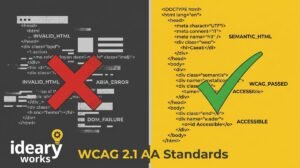
To truly understand the importance of compliance, we must look past the legal jargon and focus on the human experience. Consider the Web Content Accessibility Guidelines, commonly referred to as WCAG 2.2 AA, which serve as the standard for digital inclusion. These guidelines dictate how developers should use semantic HTML to ensure a website communicates properly with screen readers. If a local restaurant uses a generic visual element instead of a proper button tag to display its menu, a blind user will hear absolutely nothing when trying to select it.
Another critical component is the proper use of ARIA roles, which provide additional context to assistive technologies. ARIA roles act as invisible labels that describe the function and state of dynamic website elements, such as pop up windows or expandable menus. When these roles are missing or applied incorrectly, screen reader users become trapped in navigation loops or miss crucial information entirely. Fixing these native code issues requires a methodical approach that only a trained developer can properly execute.
Keyboard navigation presents another common challenge for users who cannot operate a traditional mouse. These individuals rely on the tab key to move sequentially through links, form fields, and buttons. If a website lacks visible focus indicators, keyboard users have no way of knowing which element they are currently interacting with. This creates an incredibly frustrating experience that forces potential customers to abandon the site and seek out a more accessible competitor.
The Danger of Quick Fix Automated Overlays
In response to the rising legal pressure, many software companies heavily market one click accessibility widgets as a permanent solution. These automated overlays promise instant compliance by injecting temporary code modifications when the website loads in the browser. However, these tools are fundamentally flawed because they cannot understand context or repair underlying structural code deficiencies. Relying on a superficial widget is a disservice to both users and businesses, as it merely masks problems rather than solving them.
The disabled community has repeatedly voiced strong opposition to accessibility overlays due to the poor user experience they provide. In many cases, these widgets actually interfere with a user personal screen reader software, creating new barriers that did not previously exist. Furthermore, utilizing an overlay does not protect a business from litigation, as plaintiffs frequently target sites specifically because they display these widgets. True accessibility cannot be automated; it requires the steady, reassuring confidence of an expert who values craftsmanship over instant magic.
Business owners must reject these shortcuts and prioritize long term digital structural integrity. A stable, natively accessible website is easier to maintain, performs better in search engine rankings, and provides a universally positive user experience. If you are ready to remove temporary widgets and fix your code properly, we encourage you to get my free website audit today. This foundational approach ensures your digital presence remains robust and welcoming for years to come.
Building Customer Trust Through Manual Audits
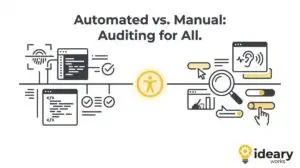
The transition from a vulnerable website to a robust, inclusive platform begins with a comprehensive manual audit. Unlike automated scanning tools, human testers navigate the site exactly as a person with a disability would, identifying nuanced usability issues. This precision driven methodology uncovers contextual errors that machines simply cannot detect, such as confusing form labels or illogical heading structures. By addressing these specific pain points, a business actively demonstrates respect for its audience time and dignity.
The goal of web accessibility is not merely to satisfy a legal checklist, but to achieve true functional independence for all users. When a medical practice ensures its patient portal is fully accessible, it empowers individuals to manage their own healthcare securely and privately. This level of thoughtful engineering fosters deep customer trust and transforms a basic website into a powerful asset for business growth. Investing in manual, code level corrections is a profound statement about the values and professionalism of your organization.
If you are seeking a reliable partner who explains technical issues in simple language, our Pasadena agency is here to guide you. We specialize in evaluating and rebuilding digital infrastructure to meet the rigorous standards of WCAG 2.2 AA. Take control of your online presence and get my free homepage accessibility review from our dedicated team. Together, we can build a digital environment that welcomes every customer and stands the test of time.
Frequently Asked Questions
What defines a digital accessibility lawsuit?
These claims typically allege that a business website denies equal access to individuals with disabilities, violating the Americans with Disabilities Act and the Unruh Civil Rights Act. Plaintiffs often focus on structural code failures that prevent screen readers or keyboard only users from completing essential tasks. The resulting litigation seeks statutory damages and mandatory remediation of the digital property. Addressing these issues proactively through native code improvements is the most reliable defense strategy available.
Why do automated widgets fail to stop lawsuits?
One click widgets only apply superficial modifications on top of a website without altering the fundamentally broken source code underneath. They frequently fail to correct complex barriers like improper semantic HTML or missing ARIA roles, which are required for assistive technologies to function correctly. Many legal claims specifically cite the failure of these overlays to provide a genuinely accessible experience. Only native, manual code improvements can ensure complete functional independence for all users.
How does the IRS Section 44 Credit help businesses?
The federal government offers a specific tax credit to help eligible small businesses cover the costs of making their operations accessible, including digital platforms. This credit can be applied toward the expenses of professional manual audits and necessary code level remediation efforts. Utilizing this financial incentive makes achieving long term digital structural integrity highly cost effective. We always recommend consulting with a tax professional to determine your exact eligibility and maximize this benefit.
What is the most common barrier in a manual audit?
Missing or improperly coded form labels represent one of the most frequent and detrimental barriers for assistive technology users. When a contact form or checkout page lacks proper semantic HTML, screen readers cannot tell the user what information belongs in each field. This completely halts the user ability to engage with the business or complete a purchase independently. Resolving this issue requires a trained developer to manually assign the correct tags and ensure logical structural flow.