Finding the Right Accessibility Auditing Methods
I was walking down South Lake Avenue just the other morning to grab a coffee before the day really started. The crisp air was perfect, and I watched as shop owners swept their sidewalks and unlocked their front doors to welcome the community. It struck me that this daily ritual of physical hospitality is exactly what we should be doing with our digital storefronts. However, many business owners are confused about the different accessibility auditing methods available to check if their digital doors are actually open to everyone. When we talk about making a website welcoming for a neighbor using a screen reader, we have to look closely at how we inspect those digital pathways.
We often think about accessibility in terms of physical spaces around Pasadena. If a local bakery in Old Pasadena has a step at the entrance, a wheelchair user cannot get inside to buy a pastry. In the digital world, an unreadable PDF or a broken checkout form creates the exact same kind of frustrating barrier. Choosing the right testing approach ensures we identify and remove these invisible walls so every neighbor feels invited inside. Let us explore how automated tools and human testing compare when it comes to rolling out the welcome mat.
Understanding Accessibility Auditing Methods
When you start researching how to make your website more welcoming, you will quickly discover two main approaches. The most common accessibility auditing methods are automated scanning tools and manual testing performed by real humans. Both approaches aim to figure out if people with disabilities can easily use your online shop or booking form. It is very much like checking a physical building to see if everyone can get inside safely and comfortably. Understanding the difference between these two strategies is the first step toward true digital hospitality.
The Automated Drive-By Inspection
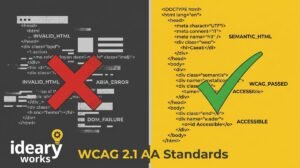
Automated testing tools are software programs that quickly scan your website code to find obvious technical errors. Think of them like a city inspector doing a quick drive-by of a building on Colorado Boulevard to see if there is a ramp visible from the street. They are fantastic for catching missing text labels on images or spotting background colors that do not have enough contrast for easy reading. These automated bots can scan hundreds of web pages in a matter of seconds to give you a helpful starting point. While they are fast and efficient, they simply cannot tell the whole story of what a customer actually experiences.
The Manual Walkthrough Experience
Manual testing involves real people using assistive technologies like screen readers or keyboard navigation to interact with your website. This is the equivalent of inviting a neighbor who uses a mobility aid to actually move through your store aisles and try reaching the products. A human tester will attempt real tasks, such as putting an item in a shopping cart or filling out a contact form. They can tell you if the journey is smooth or if they got stuck behind a digital barrier that a computer program completely missed. This hands-on approach ensures your website actually makes sense to the people in our community who are trying to use it.
Why Automated Scans Miss the Human Element
Many business owners hope that a quick automated scan will solve all their website issues instantly. It is tempting to run a free software tool, see a list of green checkmarks, and assume your digital storefront is perfectly welcoming. Unfortunately, industry data shows that fully automated tools can only detect about twenty to thirty percent of actual website barriers. A computer program might verify that a form field has a label, but it cannot tell if that label actually makes sense to a person reading it. Relying solely on automation is like assuming your restaurant is accessible just because the front door is wide enough, completely ignoring the fact that the tables are packed too tightly together.
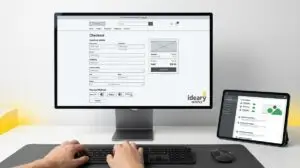
Let me share a story about a local business owner I spoke with at the Makers Hive Market at Pasadena Commons. She had used a popular automated plugin on her website and assumed everything was perfectly fine for her customers. However, a neighbor who uses a screen reader tried to purchase some handcrafted goods from her site and was completely unable to complete the checkout process. The automated tool saw that the checkout button existed in the code, but it failed to notice that a pop-up window was blocking the screen reader from actually clicking it. This heartbreaking situation shows why we must look beyond basic software checks to truly serve our community.
Automated tools also struggle immensely with context and visual layout. A computer might see that a photograph of the beautiful Playhouse Village has a text description attached to it. However, if that description just says a string of random numbers, the tool will pass it as correct while a human user will be completely confused. Real hospitality requires us to provide meaningful descriptions so that a neighbor who cannot see the screen still gets to enjoy the visual story you are telling. Software simply lacks the human empathy needed to understand what makes a website genuinely pleasant to use.
The True Value of Manual Human Testing
This is where manual testing shines as the gold standard of digital care. When an accessibility expert manually reviews your website, they navigate through it exactly the way a person with a disability would. They use keyboards instead of computer mice, and they listen to screen readers to ensure the flow of information is logical and clear. This process uncovers the hidden frustrations that turn a happy customer into a disappointed neighbor who abandons their shopping cart. Manual testing guarantees that your digital front door is not just unlocked, but wide open and inviting.
Imagine a customer trying to buy tickets for a local theater production or looking up the weekend hours for a coffee shop. If your website relies on complex drop-down menus that require perfect mouse precision, a neighbor with motor tremors might find it impossible to navigate. A manual tester will spot this immediately because they are actively trying to perform the task without a standard mouse. They will recommend simple adjustments to ensure the menus can be opened with a simple keyboard tap. These small, thoughtful changes make an enormous difference in how people experience your brand online.
Some business owners worry about the time and effort required for comprehensive human testing. It is true that this process takes longer than running a five-second software scan. However, investing in a manual review protects your business from costly ADA lawsuits while simultaneously improving your search engine rankings and overall user experience. Plus, many local businesses do not realize they can use the IRS Section 44 Disabled Access Credit to help offset the costs of making these vital improvements. Taking the time to do things right is a smart business decision that pays off in community loyalty and peace of mind.
Combining Both Approaches for Digital Hospitality
The most welcoming websites in Pasadena do not choose just one method, but instead combine the strengths of both approaches. We can use automated tools for routine maintenance, quickly sweeping the digital floors to catch easy fixes like broken links or missing headings. Then, we bring in human experts to conduct deep, meaningful reviews of the complex areas like shopping carts and appointment booking calendars. This hybrid strategy ensures that we are working efficiently without ever losing sight of the actual people we are trying to serve. It is a balanced, practical way to maintain a high standard of digital hospitality all year round.
Think of automation as the daily housekeeping and manual testing as the deep seasonal cleaning. You would not host a big neighborhood gathering without making sure the guest bathroom is spotless and the seating is comfortable for everyone. Similarly, you should not launch a new product line or marketing campaign without ensuring your website can be navigated by every single person in the community. By blending these two strategies, you create a robust safety net that catches technical errors while preserving a warm, human touch. Your customers will notice and appreciate the seamless, frustration-free experience you provide.
Take the First Step Toward a Welcoming Website
Building an inclusive online presence does not have to be an overwhelming chore. It starts with a simple conversation about your current website and a willingness to learn how your neighbors experience your digital space. Whether your business is nestled in Old Pasadena or right on Colorado Boulevard, your digital storefront reaches far beyond our city limits. We are here to help you understand your current baseline and map out a practical, jargon-free plan for improvement. Taking that first step shows your community that you truly care about serving everyone equally.
If you are curious about how your website currently holds up, you can always request a free website audit from our team. We will take a look at your digital front door and explain any barriers we find in plain, simple English. For those ready to make immediate improvements, you might want to fix your website with a comprehensive manual review. We also partner with local businesses to create a new website that is built from the ground up with neighborly hospitality in mind. Let us work together to make Pasadena the most digitally welcoming city in California!