Los Angeles Digital Inclusion and Web Development Events
Imagine a local Pasadena medical practice manager trying to register for a tech workshop, only to find the online form is completely inaccessible via keyboard navigation. The manager presses the tab key repeatedly, but the cursor skips right over the submit button, leaving them unable to secure a ticket. This frustrating experience perfectly illustrates why digital inclusion must remain a central topic at all local web development events. When developers gather to share knowledge, the focus must extend beyond flashy design trends to encompass genuine structural accessibility. Building a website that works for everyone requires careful attention to manual coding standards, rather than relying on automated shortcuts that fail real users.
Why Web Development Events Matter
Attending web development events in Southern California provides invaluable opportunities for digital professionals to deepen their understanding of technical compliance. These gatherings serve as a vital forum for discussing the real-world impact of digital barriers on users who rely on assistive technologies. When a business ignores accessibility, it actively turns away potential customers who simply want to read a menu or book an appointment online. By prioritizing education through community meetups, agencies and independent developers can learn how to build websites with long-term digital structural integrity. This collaborative environment fosters a culture of craftsmanship, where careful coding replaces the temptation of instant fixes.
The Illusion of One-Click Widgets
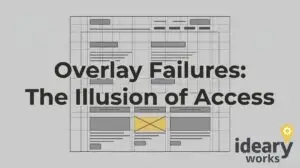
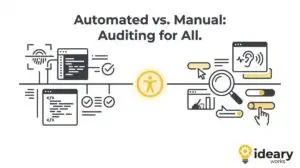
A concerning trend at some broader digital marketing conferences is the promotion of one-click accessibility widgets and automated overlays. These products are often sold as a quick fix to avoid legal exposure, but they consistently fail to provide actual functional independence for users. A screen reader user navigating a site with an overlay often encounters confusing, redundant, or entirely broken audio cues that make completing a purchase impossible. True digital inclusion requires manual audits and native structural code fixes, not an artificial layer slapped over a broken foundation. Responsible developers champion this rigorous, manual approach, educating attendees on the necessity of addressing accessibility at the root level.
Key Topics at Los Angeles Workshops
Mastering Semantic HTML for Everyone
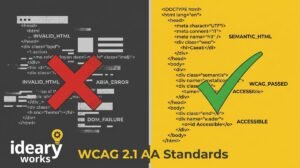
Semantic HTML is a frequent and necessary topic of discussion at specialized coding workshops across the Los Angeles area. In simple terms, semantic HTML means using the correct code tags to describe the meaning of the content, which allows screen readers to accurately translate the page for visually impaired users. If a developer uses a generic container instead of a proper button tag, a visually impaired user will not know that the element can be clicked to submit a contact form. Educational workshops that focus on these foundational elements help developers build sites that naturally communicate with assistive technologies. This commitment to structural integrity ensures that websites are robust, reliable, and genuinely inclusive from the ground up.
Translating WCAG Standards Properly
The Web Content Accessibility Guidelines, commonly known as WCAG 2.2 AA, provide the technical framework for digital inclusion. However, reading the official guidelines can feel like deciphering a complex legal document, which is why local workshops are so crucial for practical translation. Presenters at these events break down complex criteria, such as ARIA roles, into everyday language that developers and business owners can actually understand and apply. For example, they demonstrate how adding specific descriptive labels to a shopping cart icon allows a screen reader user to confidently complete their checkout process. This user-centric empathy transforms abstract compliance requirements into tangible improvements for real people.
Building a Pasadena Web Community
Pasadena has a rich history of precision and engineering, making it the perfect hub for a web development community focused on meticulous craftsmanship. Local agencies and business owners alike benefit from a culture that values transparent, jargon-free communication about digital infrastructure. When a local real estate firm or medical practice seeks a digital partner, they need someone who explains technical issues in plain English and prioritizes customer trust. By hosting and attending focused technical meetups, the local community reinforces the importance of building websites that function flawlessly for all visitors. You can partner with a dedicated Pasadena web accessibility agency to ensure your digital presence reflects this high standard of care.
How Owners Benefit from Education
You might wonder why a business owner should care about the topics discussed at specialized technology conferences. The reality is that the coding practices taught at these gatherings directly impact your bottom line, your customer reach, and your legal exposure. When your development team stays educated on the latest manual compliance techniques, your website becomes easier to use, which naturally leads to higher conversion rates and better search engine rankings. Furthermore, investing in proper accessibility improvements allows many businesses to utilize the IRS Section 44 Disabled Access Credit, which can significantly offset the costs of structural remediation. A well-built website is an asset that grows in value, providing a seamless experience for every user who attempts to fill out a form or browse your services.
Avoiding Hype-Driven Tech Meetups
Not all tech gatherings offer the same level of rigorous, practical education, and it is important to discern between quality workshops and hype-driven sales pitches. Events that heavily promote instant solutions or rely on lawsuit fear-mongering rarely provide the technical depth required for true digital structural integrity. You should look for conferences that prioritize deep technical analysis, methodical pacing, and clear demonstrations of how code impacts the human experience. A high-quality meetup will focus on the exact steps needed to fix a broken navigation menu so that a user relying on a keyboard can tab through the links logically. By seeking out events that align with these principles, developers and businesses can foster a web ecosystem built on trust and accessibility.
Integrating Daily Accessibility
The insights gained from industry conferences must be translated into daily operational habits to truly benefit a digital agency or a local business. Rather than treating compliance as a final checkbox before launching a site, development teams must integrate accessibility checks into every phase of their design process. For example, testing keyboard navigation should occur simultaneously with visual styling, ensuring that menus remain functional before the code is finalized. This proactive methodology prevents costly retrofitting and guarantees that the final product is structurally sound from day one. When a team adopts this rigorous workflow, they naturally produce high-quality work that builds deep trust with their clients.
Continuous Education in Standards
Digital technologies and compliance standards are constantly evolving, which makes continuous education absolutely essential for modern web professionals. Attending regular meetups ensures that developers stay current with the latest revisions to guidelines like WCAG 2.2 AA, preventing their skills from becoming outdated. When a developer understands the nuances of new criteria, they can build interfaces that gracefully handle complex interactions, like booking a medical appointment online. This ongoing commitment to learning reflects a dedication to craftsmanship that separates true professionals from those looking for a quick paycheck. Ultimately, the willingness to continually refine one’s coding abilities is what secures long-term success and genuine digital inclusion.
Cultivating Empathy in Web Design
While understanding code is critical, the most impactful educational gatherings often feature live demonstrations of assistive technologies used by real people. Watching a screen reader user attempt to navigate a poorly coded online store provides a stark, unforgettable lesson in why structural integrity matters. These demonstrations replace abstract compliance metrics with a concrete understanding of the human frustration caused by digital barriers. Developers who witness these struggles return to their desks with a renewed commitment to writing clean, semantic code that respects every visitor. This empathy-driven approach transforms technical tasks into a meaningful pursuit of equal access for the entire community.
Frequently Asked Questions
What is the goal of these workshops?
The primary goal is to educate developers and business owners on how to build websites that are fully accessible to people with disabilities. These workshops focus on practical, code-level techniques that ensure everyone can navigate a site using assistive technologies. By focusing on manual fixes rather than automated shortcuts, these events promote long-term digital health.
Why are automated widgets discouraged?
Automated overlays attempt to fix accessibility issues on the surface without addressing the underlying broken code. This approach frequently creates new barriers for screen reader users and fails to provide true functional independence. Experts advocate for structural native code fixes because they offer a permanent, reliable solution that respects the end user.
How does semantic HTML improve a site?
Semantic HTML uses descriptive tags to define the structure of a webpage, making it understandable to both search engines and assistive devices. When a website uses correct tags for headings, paragraphs, and buttons, a screen reader can interpret the content logically and accurately. This fundamental practice is the cornerstone of any reliable, inclusive digital presence.
Can businesses afford manual upgrades?
Yes, many businesses find that manual accessibility improvements are highly cost-effective in the long run. Properly structured websites tend to rank better in search results and capture a wider audience, increasing overall revenue. Additionally, eligible small businesses can leverage the IRS Section 44 Disabled Access Credit to help cover the costs of these essential structural upgrades.