
Digital Inclusion and Web Development Events in Los Angeles
Imagine a local resident attempting to purchase tickets for a technology seminar, only to find that the registration button is completely invisible to their screen reader. This type of digital barrier happens every day when websites are built without a foundational understanding of structural code. Attending local web development events is one of the best ways for creators and business owners to learn how to prevent these exact scenarios. The greater Los Angeles area offers a wealth of opportunities to explore digital inclusion and understand why manual code compliance is essential for modern business.
Building Customer Trust Through Inclusion
Web accessibility is fundamentally about building long-term trust with your audience rather than simply avoiding legal complaints. When a patient in Pasadena tries to book a medical appointment online and can navigate the calendar using only their keyboard, they feel valued and respected. These structural improvements invite a wider demographic to engage with your services independently. Businesses that view accessibility as a tool for growth recognize that removing digital barriers directly increases their market reach.
Many local tech gatherings emphasize the shift from reactive compliance to proactive digital hospitality. True inclusion requires a methodical approach to how content is structured beneath the surface. It is not enough to have an aesthetically pleasing design if the underlying code is confusing to assistive technologies. By prioritizing solid engineering principles, business owners ensure that their digital storefronts are as welcoming as their physical locations.
The Core Focus of Web Development Events
Throughout Southern California, upcoming web development events are shifting their focus toward sustainable accessibility practices. Workshops often center on the practical application of the Web Content Accessibility Guidelines, commonly known as WCAG 2.2 AA. For a user relying on assistive devices, these guidelines translate into clear navigation, logical reading orders, and form fields that actually announce their purpose. Instructors at these gatherings demonstrate how semantic HTML forms the bedrock of a usable, inclusive web experience.
In these educational settings, developers learn the profound difference between native accessibility and superficial fixes. A common topic is the proper use of ARIA roles, which are specific code attributes that describe elements to screen reading software. If a real estate agency in Los Angeles features a photo gallery of properties, correct code structure ensures a visually impaired user can understand the layout and descriptions. These detailed coding practices are what make a website truly functional for everyone.
Rejecting the Illusion of Instant Overlays
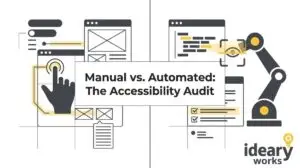
One of the most critical discussions happening at local tech meetups revolves around the dangers of automated accessibility widgets. These one-click overlays promise instant compliance, but they consistently fail to address the root structural issues of a website. When a business relies on a plugin to fix accessibility, it often creates a more confusing experience for individuals using specialized navigation tools. Automated solutions cannot understand context, meaning they frequently misinterpret complex elements like dropdown menus or interactive contact forms.
Web professionals across Los Angeles are actively advocating for manual audits and native code remediation instead of these unreliable shortcuts. A widget cannot replace the thoughtful craftsmanship required to build an inclusive digital environment. Shortcuts often mask underlying problems, leaving the website vulnerable to usability failures and breaking the trust of the very customers they claim to help. Investing in proper, code-level structural integrity is the only way to ensure your website performs reliably for all users over time.
Translating Technical Standards into Usability
Understanding technical standards can seem daunting for business owners, but local workshops excel at translating these rules into everyday language. When professionals discuss semantic HTML, they are simply talking about using the correct code tags for their intended purpose, such as using a button tag for something you click. This precision allows screen readers to accurately announce the element to a user, eliminating the guesswork that comes from poorly coded interfaces. Simple adjustments like these ensure that tasks such as reading a restaurant menu or filling out a contact form become seamless experiences.
Accessibility standards like WCAG 2.2 AA require websites to be perceivable, operable, understandable, and robust. In practical terms, this means providing sufficient color contrast so text is readable, and ensuring that multimedia content includes accurate captions. Attending industry meetings helps local teams grasp how these requirements directly impact human interaction. When developers understand the human element behind the code, they are much more likely to implement solutions that prioritize genuine usability.
The Impact of Accessible Forms on Conversion
One of the most frequently discussed technical topics at local gatherings is the proper coding of online forms. When a prospective client attempts to fill out a contact form, they rely on clear labels and intuitive error messages to complete the task. If these elements are not structurally linked in the HTML, a screen reader user may hear a blank field with no context. Correcting these form issues directly improves your conversion rates by ensuring that no customer is prevented from reaching out to your team.
Developers who attend these seminars learn how to implement error validation that speaks directly to assistive devices. Instead of relying purely on visual cues like a red border, accessible forms provide textual explanations of what went wrong and how to fix it. This attention to detail demonstrates a high level of empathy and professionalism, qualities that customers deeply appreciate. A perfectly functioning form is the digital equivalent of a friendly receptionist guiding a client through their paperwork.
Navigating Complex Menus and Site Structures
Complex website navigation often presents a significant hurdle for users who rely on keyboards rather than a traditional mouse. Web experts frequently feature demonstrations on how to build logical, linear navigation paths that make sense to everyone. A user should be able to tab through your main menu, access dropdowns, and reach important pages without becoming trapped in a keyboard loop. When navigation is built natively within the structural code, it provides a seamless journey from the homepage to the final destination.
Ensuring that your menu systems are accessible requires a deep understanding of semantic grouping and focus management. This means the code actively highlights which link is currently selected, giving visual and auditory feedback to the user. Automated widgets cannot reliably map out these complex interactions, which is why a manual approach remains the industry standard. Investing time in proper navigation architecture guarantees that your visitors can effortlessly explore the full range of services you offer.
Funding Accessibility Upgrades for Business
Many business owners are unaware that the federal government offers financial incentives to help offset the costs of accessibility improvements. The IRS Section 44 Disabled Access Credit is designed specifically to assist small businesses in removing barriers, including those found in digital spaces. Information about utilizing this credit is frequently shared at tech and business conferences throughout California. By taking advantage of this tax credit, companies can invest in high-quality manual audits without straining their annual budgets.
Utilizing these funds allows businesses to avoid the false economy of cheap, automated widgets. When you apply the tax credit toward authentic code remediation, you are investing in the long-term digital structural integrity of your brand. This financial support makes it significantly easier for local medical practices, retail stores, and service providers to upgrade their websites properly. Ultimately, this approach turns a compliance requirement into a subsidized opportunity for sustainable business growth.
Connecting with Local Digital Experts
Participating in industry meetups across Los Angeles provides an excellent opportunity to connect with professionals who value meticulous craftsmanship. These environments foster collaboration among designers, developers, and agency leaders who share a commitment to digital equity. By engaging with this community, business owners can identify reliable partners who speak plainly about technical challenges. Finding a team that explains issues in simple terms is crucial for a successful and transparent working relationship.
A trustworthy agency will always prioritize manual testing over automated scanners, recognizing that software cannot simulate human experience. They will guide you through the process of auditing your site, ensuring that every interactive element is thoroughly tested by individuals using assistive technology. This level of dedication is exactly what separates professional digital architects from those looking to make a quick sale. Building a relationship with such experts ensures your website remains accessible as it evolves.
Long-Term Care and Digital Architecture
Maintaining an accessible website is an ongoing process rather than a one-time project. Just as a physical building requires regular maintenance to remain safe and accessible, your digital architecture needs consistent care to function properly. As new content is added and web browsers update, structural code must be reviewed to ensure it still meets the necessary accessibility standards. Educational events in the Pasadena area frequently highlight the importance of establishing a routine maintenance schedule.
Incorporating accessibility into your standard operating procedures prevents small errors from compounding into significant usability barriers. Simple habits, such as always adding descriptive alternate text to new images, make a tremendous difference in how visitors experience your site. When accessibility becomes a core component of your digital strategy, you naturally create a more robust and resilient web presence. This proactive mindset protects your investment and ensures your online platform remains welcoming to everyone.
Securing Your Business Future Today
The conversations happening at regional tech forums serve as a clear indicator of where the digital landscape is heading. Inclusion is no longer an optional feature; it is a fundamental requirement for any business that wishes to remain competitive and trusted. By focusing on manual compliance and structural integrity, you position your brand as a leader in customer care and social responsibility. The choices you make today regarding your website code will directly impact your ability to serve the community tomorrow.
We encourage all local business owners to take the first step toward genuine digital inclusion by evaluating their current platforms. Our team is dedicated to providing clear, actionable insights without relying on jargon or fear tactics. If you are ready to understand how your website truly performs for all users, you can Get my free website audit to begin the process. Together, we can build a digital environment that reflects the welcoming nature of your actual business.