
Structural Tourism Website Accessibility in SoCal
Table of Contents
To assist you in navigating this case study, we have organized the core concepts of our structural approach. The following sections detail our methodology for creating a genuinely inclusive booking experience. You can review the flaws of automated tools before exploring our manual remediation techniques. We also cover the financial benefits and long-term care required for sustainable digital compliance. These insights will guide your organization toward building a resilient online presence.
The Flaws of Quick Fix Accessibility
Imagine a traveler planning a weekend getaway to a boutique hotel in Pasadena using a screen reader. They navigate to the booking page, but the date selection calendar reads as a silent, unclickable block of code. This invisible barrier instantly turns away a willing customer while eroding trust in the brand. True tourism website accessibility requires structural changes that ensure every visitor can secure their reservation independently. By focusing on root-level code rather than superficial fixes, hospitality businesses open their doors to a wider audience.
The hospitality industry in Southern California thrives on welcoming guests from diverse backgrounds and abilities. When a digital storefront fails to accommodate users with visual or motor impairments, it contradicts the core mission of service. A manual, code-level approach transforms a frustrating digital hurdle into a seamless booking experience. Through precision craftsmanship, hotels and attractions can build digital environments that reflect their commitment to genuine hospitality.
Many organizations mistakenly turn to one-click accessibility widgets or automated overlays as a rapid solution to compliance. These bolt-on tools fail to address the underlying structural flaws within a website. Instead of providing true access, overlays often confuse screen readers and trap keyboard users in endless loops. Relying on an automated shortcut does a disservice to both the user attempting to navigate the site and the business seeking to build lasting customer trust.
True inclusion requires an honest evaluation of the digital architecture beneath the surface. When an agency installs a plugin to patch over deep-rooted coding errors, the actual experience for disabled users remains broken. Web accessibility is a matter of structural integrity, demanding the same careful attention as physical wheelchair ramps or widened doorways. By discarding automated illusions, businesses take the first necessary step toward building a resilient and universally accessible booking engine.
Core Tourism Website Accessibility Overhauls
A recent overhaul of a prominent Southern California hotel chain illustrates the profound impact of manual remediation. The primary objective was to redesign their legacy booking engine to fully support guests with motor and visual impairments. Prior to the intervention, the reservation system relied heavily on complex JavaScript menus that ignored standard keyboard commands. The project required stripping away the inaccessible layers and rebuilding the interface using solid structural code.
The development team initiated a thorough manual audit to identify every barrier within the reservation pathway. They discovered that critical interactive elements, such as room selection buttons and pricing toggles, lacked appropriate semantic HTML tags. This deficiency meant that assistive technologies simply could not interpret the purpose of these elements. Correcting these foundational errors established a robust baseline for ongoing digital compliance and improved overall site performance.
Navigating Date Pickers Without a Mouse
Date pickers represent one of the most common accessibility failures in the travel industry. A user with fine motor control limitations may rely entirely on the Tab and Enter keys to navigate the calendar. In the original booking system, focus would completely bypass the calendar grid, leaving keyboard users unable to select their travel dates. The solution involved writing custom scripts that deliberately manage keyboard focus throughout the date selection process.
The developers implemented proper ARIA attributes to guide screen readers through the complex grid layout. As a user tabs through the days of the month, the screen reader now announces the exact date and its availability status. This technical translation ensures that blind users receive the same contextual information as sighted users viewing the visual calendar. By prioritizing native keyboard functionality, the hotel transformed an impassable barrier into an intuitive booking tool.
Fixing Contrast and Form Field Labels
Visual clarity is just as critical as mechanical navigation for a successful booking experience. The original design featured light gray text on a white background, falling well below standard contrast requirements. Guests with low vision struggled to read room descriptions, cancellation policies, and pricing details. The remediation team adjusted the color palette to ensure sharp, readable contrast without compromising the luxury brand aesthetic.
Furthermore, contact forms for guest details were missing explicit programmatically associated labels. When a blind user reached the payment section, their screen reader could only announce generic text instead of specifying the required credit card information. The engineers connected every input field to a definitive label tag in the HTML structure. This seemingly minor code adjustment grants users total confidence that they are providing the correct personal information.
Rebuilding with Semantic Integrity
At the heart of genuine digital inclusion is the rigorous application of semantic HTML. Semantic tags act as a universal language that communicates the structural meaning of a web page to all browsing devices. When a developer uses a generic division tag to create a button, a screen reader remains entirely unaware of its clickability. Replacing these generic wrappers with native button elements restores the interactive properties required by assistive software.
The Southern California hotel chain embraced this philosophy by replacing their custom dropdown system with native HTML select elements. This structural shift eliminated the need for complex accessibility scripts while inherently supporting mobile device interfaces. A streamlined codebase is fundamentally easier to maintain and far less likely to break during future updates. This precision in coding ensures long-term stability and a predictable user experience for everyone.
The Power of ARIA Roles
While semantic HTML forms the foundation, ARIA roles provide critical context for dynamic web content. In modern booking engines, live updates frequently occur when a guest modifies their search parameters. A visually impaired user must be alerted when new room options load on the screen without having to manually search the entire page. Implementing ARIA live regions forces the screen reader to announce these dynamic changes instantly.
However, ARIA must be applied with extreme caution and professional restraint. Misusing ARIA attributes can create conflicting instructions that completely disorient individuals relying on screen readers. The development team audited every ARIA label to ensure they only supplemented, rather than replaced, native HTML semantics. This methodical approach guarantees that the technical layer perfectly matches the visible user interface.
Target Sizes and Touch Interfaces
Mobile bookings account for a massive percentage of modern travel reservations in Southern California. Under current accessibility guidelines, interactive elements must have a sufficient target area to accommodate users with tremors or limited fine motor control. The original booking engine featured tiny radio buttons that were nearly impossible to tap accurately on a smartphone screen. Small tap targets create immense frustration and lead to accidental cancellations or incorrect date selections.
The remediation team expanded these touch targets to meet the strict physical dimension requirements of the compliance standard. They utilized CSS padding to increase the clickable area of each button without altering the visual spacing of the page layout. This structural adjustment drastically reduced booking errors and eliminated a major point of friction. Improving the mobile interface for disabled users naturally created a smoother, more forgiving experience for all mobile visitors.
Accessibility as Customer Trust and Growth
Reframing the conversation around digital compliance shifts the focus from legal fear to tangible business growth. When a Southern California attraction ensures its website is fully functional, it directly expands its total addressable market. Disabled travelers represent a massive, deeply loyal demographic that actively seeks out inclusive hospitality brands. Providing a frictionless booking experience earns their business and generates powerful word of mouth recommendations.
The financial benefits of an inclusive digital strategy extend well beyond risk mitigation. Search engines heavily favor websites with clean, semantic code and clear navigation structures. As the agency resolved the structural barriers for disabled users, the hotel booking engine simultaneously experienced a noticeable boost in organic search rankings. Good accessibility practices are inherently aligned with good search engine optimization.
Offsetting Costs with Tax Credits
Many businesses hesitate to invest in manual, code-level remediation due to perceived expense. Fortunately, the federal government provides substantial financial incentives to encourage structural accessibility improvements. The IRS Section 44 Disabled Access Credit allows eligible small businesses to offset a significant portion of their website development costs. This tax credit directly lowers the barrier to entry for achieving complete compliance.
By utilizing this financial tool, hospitality operators can fund a comprehensive overhaul rather than settling for an ineffective overlay widget. The credit applies specifically to services that adapt existing digital platforms to accommodate individuals with disabilities. Consulting with a knowledgeable tax professional alongside your web development partner ensures you maximize this valuable resource. Investing in durable structural integrity becomes a highly cost-effective business decision.
Committing to Long-Term Digital Care
Launching an accessible booking engine is only the beginning of the digital journey. Websites are living entities that evolve with every new promotional banner, seasonal menu update, or software integration. Without consistent monitoring, even the most precisely coded platform will accumulate accessibility errors over time. A proactive maintenance strategy protects the initial investment and ensures the digital doors remain open to all guests.
The most resilient Southern California tourism brands view digital inclusion as an ongoing operational standard. They conduct regular manual audits and incorporate accessibility testing into their routine content publishing workflows. This dedication to digital craftsmanship solidifies their reputation as trusted, welcoming institutions in a highly competitive market. If you are ready to evaluate the structural integrity of your own reservation system, you can secure a professional accessibility assessment.
Frequently Asked Questions
Understanding the nuances of digital accessibility can feel overwhelming for business owners encountering the topic for the first time. We have compiled answers to common questions regarding structural compliance in the hospitality sector. These insights clarify the difference between genuine coding practices and temporary automated illusions. By educating yourself on these principles, you are better equipped to make informed decisions for your organization.
Screen Readers and Interactive Maps
Interactive maps for hotel locations or attraction grounds often rely on visual spatial data that cannot be easily translated into text. Without careful coding, screen reader focus will become trapped inside the map container, preventing the user from navigating the rest of the page. Developers must provide a clear keyboard bypass mechanism and alternative text descriptions for all crucial geographic information. This ensures that a blind traveler can still understand the property layout and local amenities.
Keyboard Focus in the Booking Process
Keyboard focus refers to the visual indicator that highlights which interactive element is currently selected on a web page. For guests with motor control impairments who cannot use a mouse, this visible ring is their only way to navigate the reservation steps. If the focus state is hidden by poor design choices, the user becomes lost within the interface. Restoring clear, high-contrast focus indicators instantly repairs a major usability flaw in the booking pipeline.
Is a Manual Audit Necessary for Small Hotels?
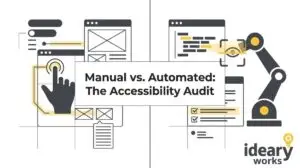
Yes, every hospitality business benefits from a manual review of their digital infrastructure. Automated scanners typically catch less than thirty percent of actual accessibility violations. Only a human expert evaluating the site with assistive technology can identify contextual errors, such as confusing form labels or illogical heading structures. A thorough manual audit provides the precise blueprint required for lasting digital stability. You can begin this process today by choosing to request a comprehensive compliance review.